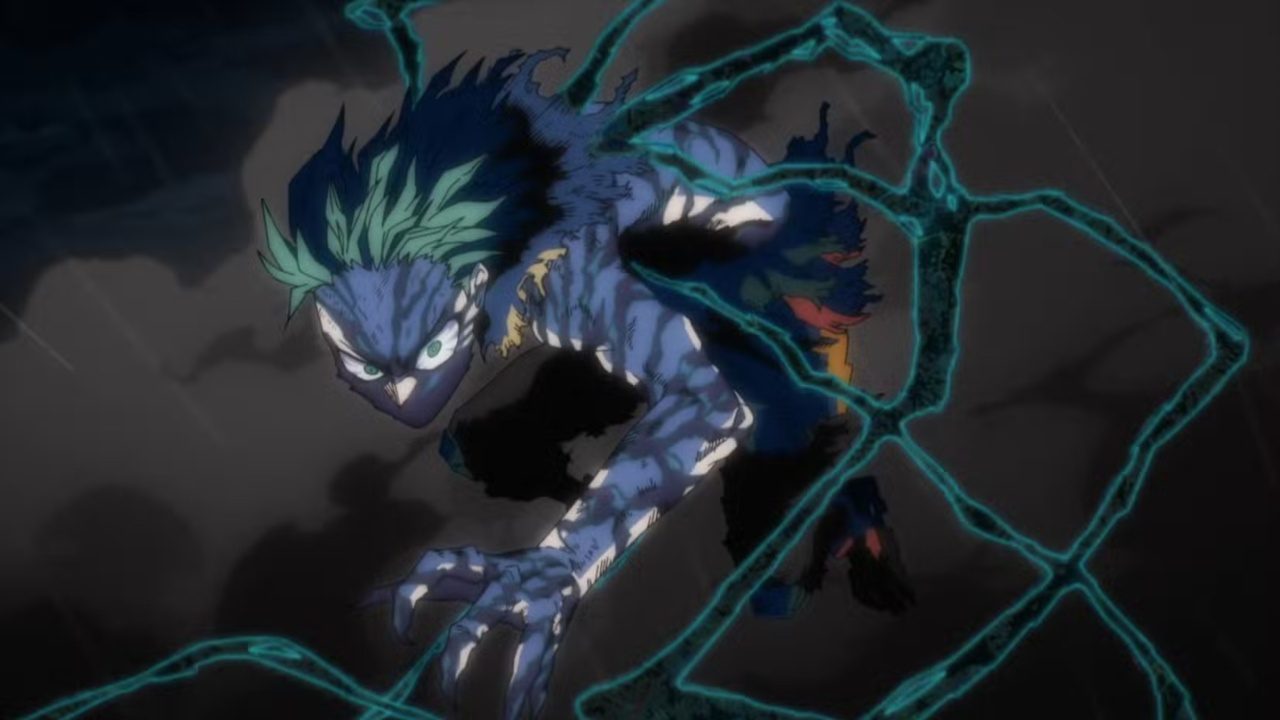
In a world saturated with superhero stories, few capture the raw essence of aspiration, struggle, and growth quite like My Hero Academia (Boku no Hīrō Akademia). Created by Kōhei Horikoshi, this series isn’t just another shonen action romp—it’s a heartfelt love letter to the idea that anyone can be a hero, even (or especially) if the odds are stacked against them. From its humble manga origins to a record-shattering anime franchise with over 100 million copies in circulation, MHA has risen to become one of the defining anime/manga hits of the 2010s and 2020s. As both a fan and reviewer, revisiting its journey feels like witnessing Deku’s own relentless climb: inspiring, exhilarating, and profoundly human.
The Spark: How It All Began
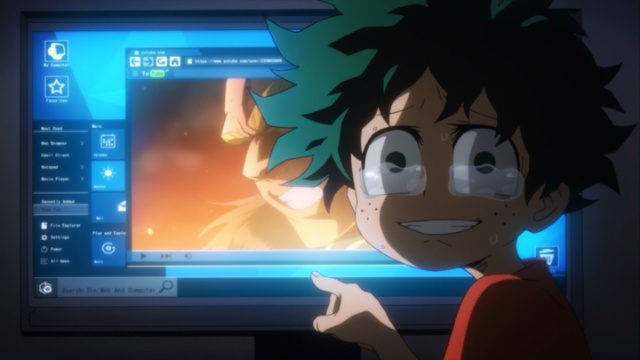
Kōhei Horikoshi, born in 1986 in Aichi Prefecture and a graduate of Nagoya University of Arts, drew from a deep well of influences—Naruto, Dragon Ball, One Piece, Akira, and Western comics like Spider-Man, X-Men, and Star Wars. After earlier series like Oumagadoki Zoo and the short-lived Barrage faced cancellation, Horikoshi was at a low point, viewing My Hero Academia as potentially his last shot.
He revisited a 2008 one-shot titled My Hero from Akamaru Jump, reworking its core idea. The original featured a different protagonist (initially a businessman named Jack Midoriya), but Horikoshi shifted to a high school setting for better storytelling potential. All Might emerged as a pivotal creation that unlocked the series. Serialized in Weekly Shōnen Jump starting July 7, 2014, the manga ran for 430 chapters until August 2024, collected in 42 volumes.
Horikoshi infused the story with personal touches—characters wrestling with self-doubt and complexes mirroring his own struggles—while blending Japanese shonen tropes with Western superhero flair. Quirks (superpowers) became everyday reality for 80% of humanity, creating a society of Pro Heroes, celebrity rankings, and villain threats. This world-building grounded epic battles in relatable themes of legacy, mentorship, and societal flaws.
The Heart of the Story: Plot and Themes
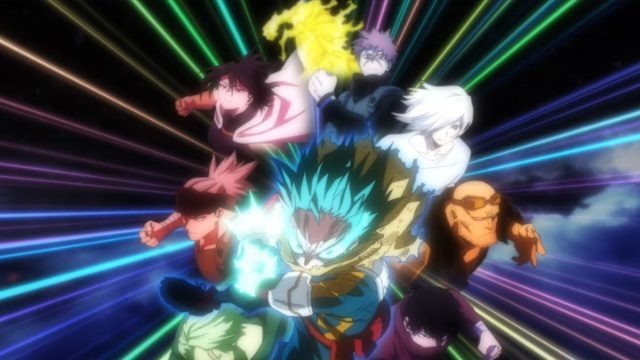
At its core, My Hero Academia follows Izuku “Deku” Midoriya, a Quirkless boy in a superpowered world who idolizes the Symbol of Peace, All Might. Bullied by his explosive childhood friend Katsuki Bakugo, Deku never stops dreaming. A chance encounter—saving Bakugo from a villain—leads All Might (secretly weakened by a past battle with arch-nemesis All For One) to pass on his stockpiling Quirk, One For All, to Deku.
Enrolled in the elite U.A. High School for hero training, Deku joins Class 1-A alongside a vibrant cast: the gravity-defying Ochaco Uraraka, the dual-tempered Shoto Todoroki, the rule-bound Tenya Ida, and many more. The narrative unfolds across intense sagas—the U.A. Beginnings, Rise of Villains, and Final Act—featuring iconic arcs like the U.S.J. attack, Sports Festival, Forest Training Camp, Hideout Raid, Paranormal Liberation War, and the cataclysmic Final War.
What elevates MHA is its refusal to stay superficial. Early arcs deliver classic shonen highs: entrance exams, rivalries, and “Plus Ultra!” training montages. As the story darkens, it explores hero society’s underbelly—discrimination against “heteromorphs,” the trauma of villains like Tomura Shigaraki (engineered by All For One), and the cost of heroism. Deku’s journey evolves from “becoming the greatest hero” to a collective tale of reaching out to others, culminating in an epilogue where society heals through empathy and support systems.
The Final War delivers staggering stakes, with devastating losses, power awakenings, and emotional confrontations. The manga’s ending (Chapter 430 and a bonus in Volume 42) provides satisfying closure: time-skip to eight years later, Deku as a Quirkless teacher receiving a tech suit from his friends to hero again, budding romance with Ochaco, and a world that’s learned to extend hands to the struggling. It’s bittersweet, hopeful, and true to the series’ soul.
Anime Adaptation: Bones Brings It to Life
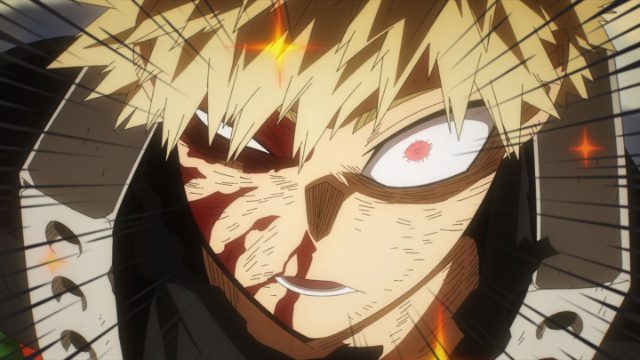
Studio Bones’ anime adaptation, premiering in April 2016, amplified the manga’s success. With eight seasons through 2025 (the final one earning high acclaim and even Guinness recognition), it boasts fluid animation, especially in combat—think Deku’s Full Cowl, Bakugo’s explosive ferocity, or the War Arc’s chaos.
Season 1 hooked viewers with Deku’s origin. Season 2’s Sports Festival cemented its status. Later seasons tackled darker tones masterfully, with Season 6 and the Final Season often praised as peaks for intensity and payoff. Four movies (Two Heroes, Heroes Rising, World Heroes’ Mission, You’re Next) expanded the universe, while OVAs and games added fun. The adaptation’s pacing shines in key moments, though some filler or reordering drew minor fan gripes. Overall, it’s a faithful, visually dynamic triumph that introduced MHA to millions.
Rise to Fame and the Exploding Fanbase
MHA’s ascent was meteoric yet organic. Consistent manga sales, strong weekly performance in Jump, and the anime’s global streaming boom (via Crunchyroll, Hulu, etc.) fueled it. By 2024, it hit 100 million copies circulated worldwide—one of the best-selling series ever. It dominated popularity polls, inspired massive cosplay, and ranked high in U.S. viewership during the pandemic.
The fanbase grew exponentially through relatable characters, meme-worthy moments (“Deku!”), and community creativity—fan art, theories, and discussions. Themes of overcoming adversity resonated across cultures, turning casual viewers into die-hards. The series earned awards like the Sugoi Japan and Harvey Award, and even set records as the most in-demand animated show in 2025 (57.5x the average).
Fans loved the emotional depth: Deku’s unbreakable spirit, Bakugo’s complex redemption, Todoroki’s family trauma, and side characters with rich arcs. It sparked conversations on heroism, mental health, and societal reform. While criticisms exist (e.g., female character focus or occasional pacing), the passion it ignites is undeniable—evident in enduring merch, events, and a loyal community that followed it for a decade.
Why It Endures: A Personal Review
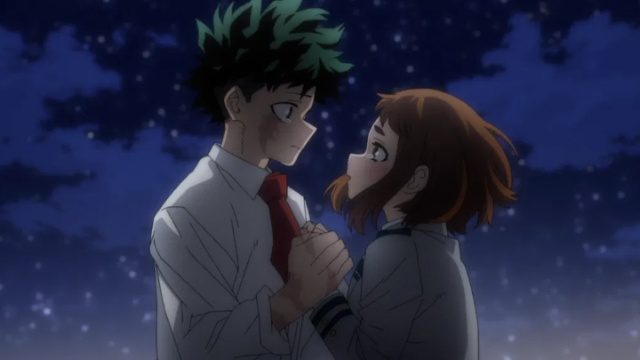
As a reviewer, My Hero Academia stands out for balancing spectacle with substance. The action is kinetic and creative (Quirks enable endless variety), but the real power lies in character growth and themes. Horikoshi’s art evolved beautifully, capturing raw emotion in faces and dynamic fights. It wears Western influences proudly while staying quintessentially shonen.
It’s not flawless—some arcs feel exam-heavy, and not every character gets equal spotlight—but its heart is pure gold. In an era of cynicism, MHA reminds us heroism is about persistence, compassion, and lifting others. Deku’s story teaches that dreams don’t require innate power; they demand heart.
Plus Ultra indeed. Whether you’re a longtime fan or newcomer, My Hero Academia delivers an unforgettable ride. Its journey from one-shot roots to cultural juggernaut mirrors its protagonist: starting small, facing setbacks, and emerging stronger. In the pantheon of great anime, it’s not just a hero—it’s a legend.
Go beyond. Plus Ultra!
Hello, I am a huge anime fan with a decent experience in writing articles regarding the anime industry.