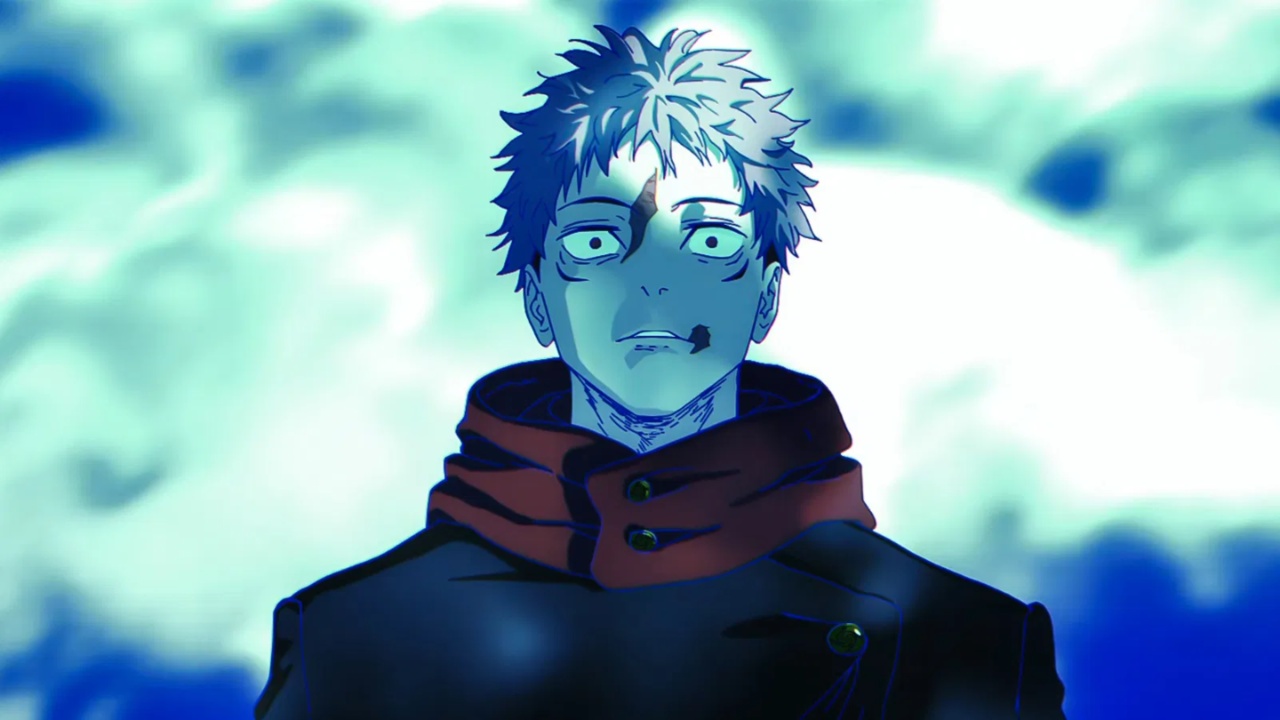
Jujutsu Kaisen Season 3, subtitled “The Culling Game Part 1,” has been building on the intense fallout from the Shibuya Incident, and Episode 3, titled “About the Culling Game,” which premiered on January 15, 2026, takes a deliberate pause to lay the groundwork for the chaos ahead. This episode dives headfirst into the mechanics of Kenjaku’s deadly tournament, transforming what could have been a dry info dump into a visually captivating strategy session. While it lacks the high-octane action of the season’s opener, it compensates with sharp direction, emotional depth, and a sense of impending doom that keeps viewers hooked.
The Events: Setting the Stage for Survival
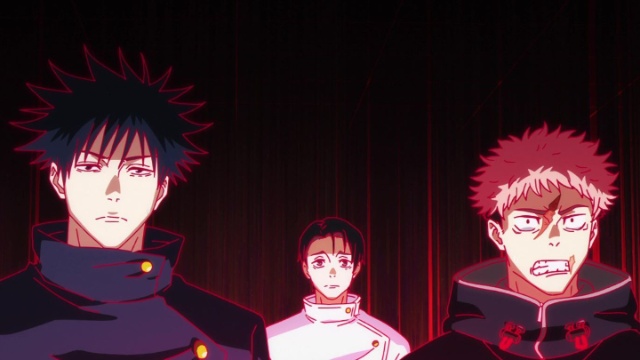
The episode picks up with Yuji Itadori, Megumi Fushiguro, and their allies—Yuta Okkotsu, Maki Zen’in, Choso, and Yuki Tsukumo—gathering in Tengen’s domain for a crucial briefing. Tengen, the immortal guardian whose form has evolved into something more cursed spirit than human, reveals Kenjaku’s grand scheme: forcing humanity’s evolution through assimilation via Cursed Spirit Manipulation, ultimately spreading cursed energy worldwide. The Culling Game serves as the “warm-up” to this apocalypse, a battle royale spanning ten colonies across Japan (excluding Hokkaido), where awakened sorcerers must participate or face dire consequences.
Key rules are meticulously unpacked: Players must enter a colony within 19 days of awakening their cursed technique, earning points by eliminating others—five for sorcerers, one for civilians. Accumulating 100 points allows proposing new rules, while failing to score within 19 days strips one’s technique, likely leading to death. The group strategizes amid the revelations, with Choso and Yuki opting to stay behind to protect Tengen and hunt for Hana Kurusu (the Angel), whose ability could unseal Satoru Gojo from the Prison Realm. Meanwhile, Maki heads out to retrieve cursed tools, Yuta scouts a colony for intel, and Yuji and Megumi recruit the enigmatic Kinji Hakari. With only ten days left before unwilling participants like Megumi’s sister Tsumiki are dragged in, the stakes feel palpably urgent.
The episode culminates in a quirky teaser introducing Fumihiko Takaba, a struggling comedian whose mundane routine hints at his unwitting plunge into the game, adding a layer of dark humor to the proceedings.
Animation and Direction: Turning Text into Spectacle
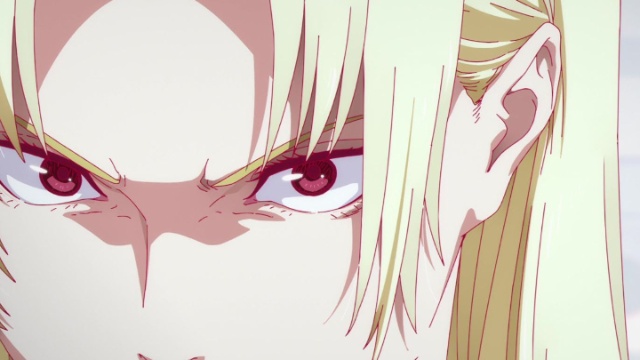
MAPPA Studios shines here, elevating the episode’s heavy exposition through innovative visuals that feel like a high-tech presentation in a spy thriller. Director Shouta Goshozono employs holographic infographics, drop-down menus, and flowcharts to illustrate the game’s rules, making the barrage of information feel interactive and less overwhelming. Dynamic camera work—fisheye lenses, exaggerated expressions, and clever framing—keeps the static setting alive. Standout moments include Shoko Ieiri’s cigarette-lighting scene, rendered with atmospheric red linework, and Takaba’s comedic introduction, which bursts with cinematic flair.
The soundtrack complements this, with tense OST tracks underscoring the planning sessions, ensuring the 20-minute lore dive never drags. It’s a testament to the team’s creativity: even without fights, the episode maintains edge-of-your-seat tension through sheer visual storytelling.
Characters: Emotional Anchors in the Storm
Amid the rule breakdowns, character moments provide heart. Yuji grapples with guilt over more potential killings, his vocal shifts conveying raw vulnerability. Megumi steps up as a strategist, proposing key ideas, while ties to past events—like Toji Fushiguro’s role in disrupting fate—add depth to their motivations. Interactions between Yuji, Yuta, and Megumi highlight their growth, blending camaraderie with the weight of their mission. Yuki’s probing questions to Tengen about timing and connections to Gojo and the Star Plasma Vessel weave in backstory seamlessly, reminding us of the series’ intricate web of relationships.
Takaba’s debut steals the show in the final moments, his oblivious humor contrasting the episode’s gravity and teasing future levity in the grim tournament.
Atmosphere: Tense, Futuristic, and Foreboding
The atmosphere evokes a war room briefing, with Tengen’s ethereal domain rendered in digital, holographic aesthetics that give it a futuristic edge. There’s a palpable sense of dread as the sorcerers absorb the game’s merciless logic, balanced by playful acknowledgments of the info overload—like humorous asides that poke fun at the complexity. This creates a buildup of anticipation, making the lack of action feel purposeful: we’re gearing up for the storm, and the calm is laced with unease.
Fan Reactions: A Divided But Engaged Community
Early responses on platforms like X (formerly Twitter) and Reddit show a split. Some fans lamented the “boring” lore dump, with one quipping about “the most flowcharts I’ve ever seen,” echoing frustrations from the manga’s arc. Others hailed it as “CINEMA,” praising how the direction kept them engaged despite the absence of fights. IMDb’s early rating sits at 7.7/10, reflecting solid approval, while reaction videos commend scenes like Shoko’s and Yuji’s expressions for adding emotional punch. Overall, the consensus appreciates MAPPA’s effort in making the episode visually interesting, with many excited for the action ramp-up next week.
Final Thoughts: A Strong Setup for Mayhem
Episode 3 earns an 8/10 for its bold handling of necessary setup. It’s not the adrenaline rush fans crave, but it’s a clever, character-driven breather that fortifies the narrative. With the rules clear and alliances forming, the Culling Game promises brutal twists ahead. Jujutsu Kaisen continues to prove why it’s a standout in the shonen genre—smart, stylish, and unapologetically ambitious. If this is the calm before the storm, count me in for the deluge.
ALSO READ: Top 20 Anime Series That Started Strong But Crashed and Burned
Hello, I am a huge anime fan with a decent experience in writing articles regarding the anime industry.


, aired January 15, 2026.)