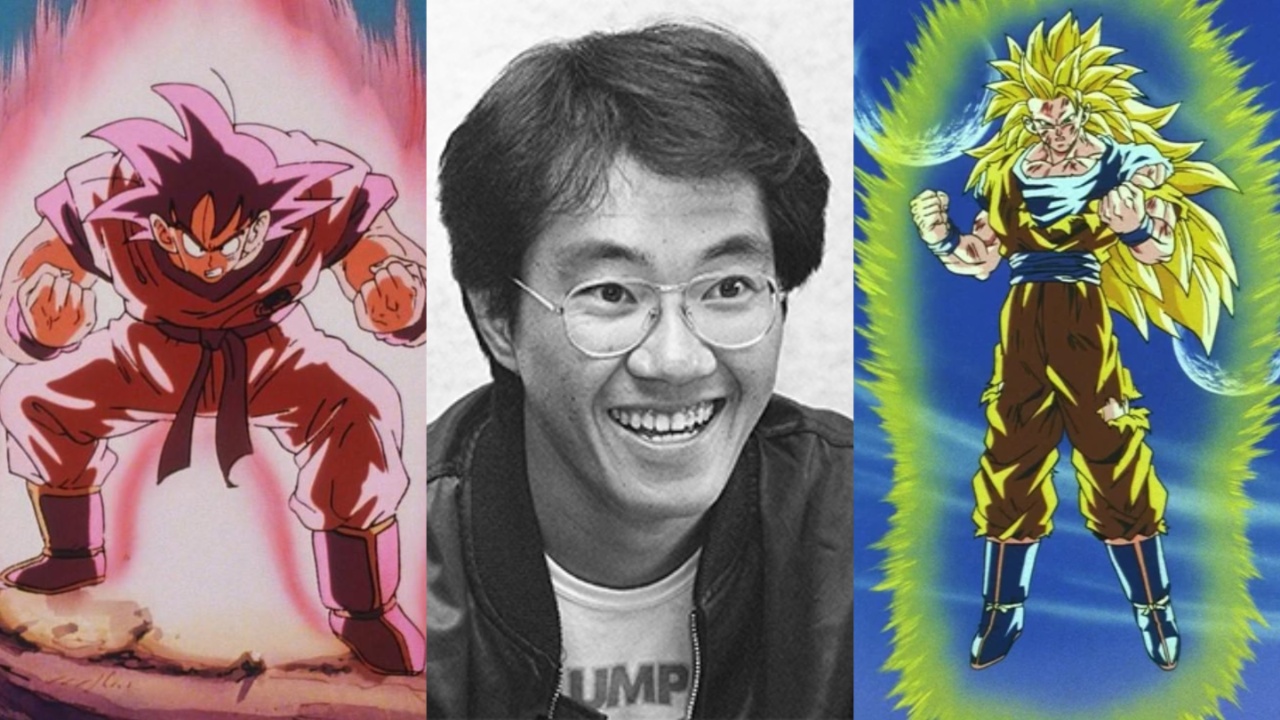
In the vast landscape of anime, few series have achieved the mythical status of Dragon Ball Z (DBZ). Premiering in 1989 as a sequel to the original Dragon Ball, DBZ catapulted the franchise into global stardom, captivating audiences with its high-octane battles, profound character arcs, and themes of perseverance and friendship. Decades later, it remains a cornerstone of pop culture, inspiring new generations of fans while retaining its grip on veterans. But what elevates DBZ from a mere shonen anime to an enduring legend? This article delves into the elements that DBZ got right, its sustained relevance, the pivotal influence of creator Akira Toriyama, the masterful execution by Toei Animation, and the profound impact of its iconic characters.
What Dragon Ball Z Did Right: Crafting a Perfect Storm of Action and Emotion
At its core, DBZ succeeded by blending explosive action with heartfelt storytelling in a way that resonated universally. The series revolutionized the shonen genre by introducing prolonged, multi-episode fight sequences that built tension through strategic power-ups and dramatic reveals. Transformations like Super Saiyan—first unveiled in Goku’s iconic battle against Frieza—became cultural touchstones, symbolizing overcoming impossible odds. These moments weren’t just visually spectacular; they were emotionally charged, tying into themes of growth, redemption, and the human (or Saiyan) spirit.
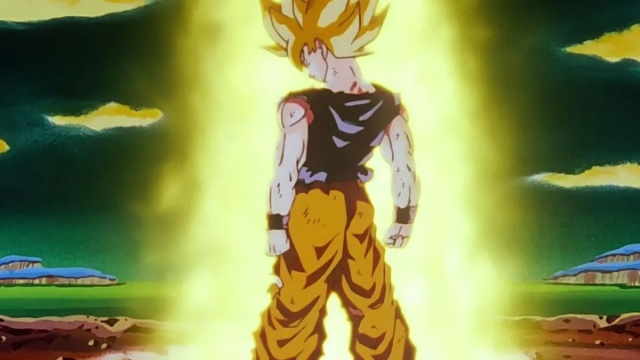
DBZ also excelled in world-building. Drawing from martial arts, mythology, and science fiction, it created a universe where planets could be destroyed in an instant, yet personal relationships grounded the chaos. The Z-Fighters’ camaraderie, infused with humor and rivalry, made the stakes feel personal. Unlike many contemporaries, DBZ balanced spectacle with character-driven narratives, ensuring that victories felt earned through training montages and moral dilemmas. This formula not only hooked viewers but also set a blueprint for future anime like Naruto and One Piece, which borrowed its escalation of power levels and ensemble casts.
Moreover, DBZ’s pacing, though sometimes criticized for filler episodes, allowed for deeper exploration of side stories, enriching the lore. It addressed universal appeals: the joy of self-improvement, the thrill of competition, and the warmth of found family. By doing so, it transcended language barriers, becoming one of the first anime to gain massive traction outside Japan through dubbed versions and bootleg tapes. In essence, DBZ didn’t just entertain; it inspired, teaching fans that limits are meant to be shattered.
Sustaining Relevance: How DBZ Continues to Dominate Worldwide
In an era where media consumption is fleeting, DBZ’s longevity is remarkable. As of 2026, the franchise boasts ongoing series like Dragon Ball Super and Dragon Ball Daima, video games such as Dragon Ball: Sparking! Zero, and a merchandising empire spanning apparel, toys, and collaborations with brands like Nike. Its relevance stems from adaptability—reinventing itself while honoring roots. New content keeps the flame alive, introducing fresh arcs that appeal to nostalgia while attracting newcomers.
Globally, DBZ’s fanbase is intergenerational. It pioneered anime’s Western breakthrough in the 1990s via Toonami broadcasts, normalizing the medium and paving the way for Pokémon and Sailor Moon. Today, social media amplifies its reach; memes of Goku’s Spirit Bomb or Vegeta’s prideful monologues go viral, bridging gaps between old fans and Gen Z viewers discovering it on streaming platforms like Crunchyroll. The series’ simplicity—fun battles, clear morals, and entertaining antics—ensures it ages gracefully, unlike more complex narratives that date quickly.
Economically, DBZ is a juggernaut. It generates billions in revenue through licensing, with spin-offs and remakes like Dragon Ball Z: Kakarot keeping the IP fresh. Culturally, it influences hip-hop (artists like Megan Thee Stallion reference it), fashion, and even sports, where athletes mimic Kamehameha poses. This cross-pollination ensures DBZ isn’t just remembered—it’s lived.
Akira Toriyama’s Enduring Influence: The Visionary Behind the Saiyans
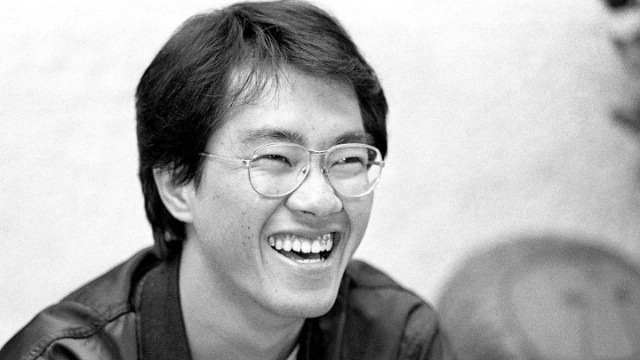
No discussion of DBZ’s legacy is complete without Akira Toriyama, the mangaka whose genius birthed the franchise. Toriyama, who passed away in 2024, began Dragon Ball as a lighthearted adventure inspired by Journey to the West, but evolved it into DBZ’s epic saga of interstellar conflicts. His influence is profound: he pioneered shonen tropes like rival-turned-ally dynamics (e.g., Vegeta) and escalating power systems, which permeate modern anime.
Toriyama’s art style—dynamic, exaggerated proportions with fluid motion—made battles visually kinetic, influencing character designs in series like One Punch Man. He infused humor amid intensity, drawing from his earlier work Dr. Slump, preventing DBZ from becoming overly grim. Story-wise, Toriyama emphasized themes of hard work over innate talent, as seen in Goku’s relentless training, inspiring fans to pursue personal growth.
Even after stepping back, Toriyama’s oversight on sequels ensured fidelity to his vision. His legacy extends beyond anime; he designed characters for games like Chrono Trigger and Dragon Quest, solidifying his status as a manga master. Toriyama didn’t just create DBZ—he reshaped global pop culture, making anime a household name.
Toei Animation’s Mastery: Bringing Toriyama’s World to Life
While Toriyama provided the blueprint, Toei Animation transformed it into a animated phenomenon. As the studio behind DBZ’s production, Toei adapted the manga with flair, enhancing Toriyama’s panels through vibrant animation and epic soundtracks. Their role was crucial in scaling the series for television, adding filler arcs that, while divisive, expanded the universe and built hype for canon events.
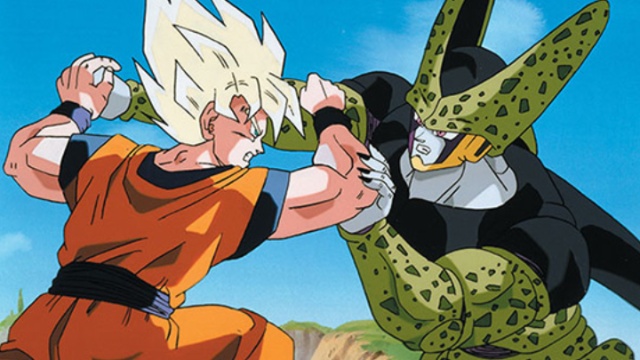
Toei’s strategic decisions propelled DBZ’s success. They invested in high-quality voice acting, with talents like Masako Nozawa (Goku) delivering performances that became synonymous with the characters. Global dubbing efforts, particularly Funimation’s English version, made DBZ accessible, boosting its international appeal. Financially, Toei reaped rewards; DBZ remains their top earner, funding expansions into new IPs and tech innovations.
By collaborating closely with Toriyama, Toei helped refine his ideas, turning static manga into dynamic episodes. Their marketing savvy—through merchandise and cross-promotions—sustained the brand. In short, Toei didn’t just animate DBZ; they amplified it, ensuring its place as a top-tier anime.
The Impact of DBZ’s Characters: Heroes That Resonate Across Generations
DBZ’s characters are its heartbeat, each leaving an indelible mark on fans. Goku, the optimistic protagonist, embodies pure-hearted determination, inspiring millions to embrace positivity and hard work. His journey from naive fighter to universal savior mirrors real-life growth, making him a role model.
Vegeta, the prideful prince, represents redemption; his arc from villain to ally highlights themes of ego and family, resonating with those grappling with personal flaws. Supporting cast like Piccolo, Gohan, and Bulma add depth—Piccolo’s mentorship explores found fatherhood, while Gohan’s intellect challenges brawn-over-brain stereotypes.
These characters’ impacts extend culturally: they’ve influenced fashion (Super Saiyan hair trends), fitness (DBZ-inspired workouts), and even psychology, with fans citing them as motivators during tough times. In gaming and memes, they’re ubiquitous, fostering a vibrant community. Ultimately, DBZ’s characters humanize its spectacle, forging emotional bonds that keep fans returning.
Conclusion: A Legacy That Powers On
Dragon Ball Z endures as a legend because it masterfully wove action, emotion, and innovation into a tapestry that captivates worldwide. Toriyama’s creative spark, Toei’s execution, and the characters’ relatability form a trifecta of excellence. In a crowded anime market, DBZ stands tall, proving that true legends never fade—they evolve. Whether through reruns, new sagas, or fan creations, DBZ continues to inspire, reminding us all to go beyond our limits.
ALSO READ: Exploring Studio MAPPA’s Top 15 Anime Series: A Powerhouse of Modern Anime Innovation

Hello, I am a huge anime fan with a decent experience in writing articles regarding the anime industry.