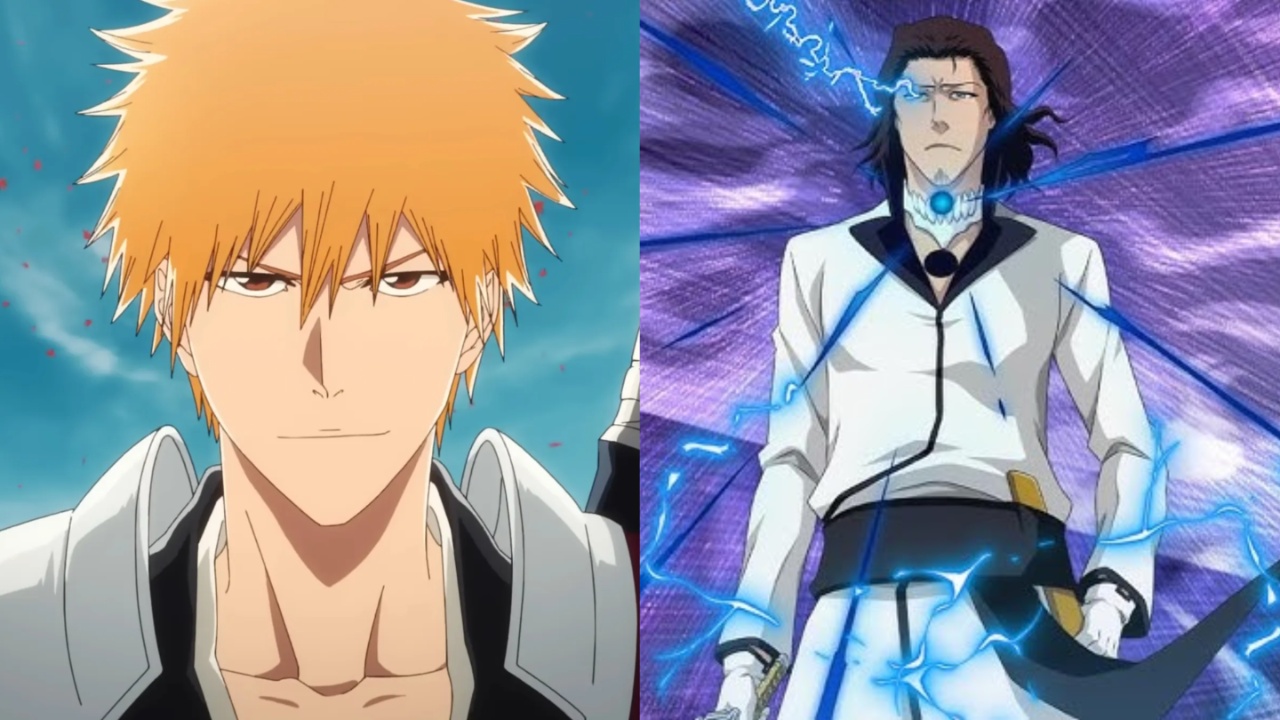
In the pantheon of shonen manga and anime, few series have sparked as much debate about their lasting impact as Bleach, crafted by the visionary artist Tite Kubo. Debuting in Weekly Shonen Jump in 2001, Bleach follows the adventures of Ichigo Kurosaki, a high school student turned Soul Reaper who battles Hollows—corrupted spirits—and navigates intricate spiritual realms. While it often gets overshadowed by its “Big Three” counterparts, Naruto and One Piece, in discussions of sales and longevity, Bleach‘s contributions to the genre are profound and frequently underappreciated. This article delves into how Bleach not only defined the explosive Big Three era of the 2000s but also laid foundational elements that continue to resonate in today’s battle shonen landscape. From its stylish character designs and dynamic combat systems to its thematic depth on identity and hybridity, Bleach has quietly influenced a new generation of creators, proving that true legacy isn’t always measured in chapter counts or box office hauls but in the creative DNA it imparts to successors.
The Dawn of the Big Three: Bleach’s Role in Revolutionizing Shonen Serialization
The early 2000s marked a golden age for shonen manga, often dubbed the “Big Three” era due to the simultaneous dominance of One Piece (1997), Naruto (1999), and Bleach (2001) in Weekly Shonen Jump. These series didn’t just coexist; they elevated the magazine to unprecedented heights, with combined sales pushing boundaries and attracting a global audience through anime adaptations. One Piece brought epic world-building and adventure, Naruto emphasized themes of perseverance and friendship through ninja lore, and Bleach introduced a sleek, supernatural twist with its focus on soul societies, death gods, and existential battles.
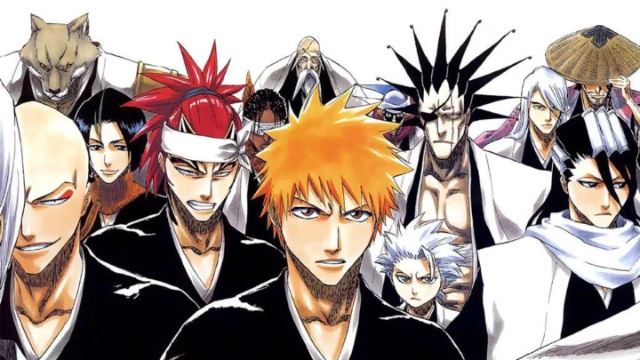
What set Bleach apart during this period was its rapid rise and innovative pacing. Unlike the slower, exploratory builds of its peers, Bleach dove headfirst into high-stakes action from the outset. Ichigo’s transformation into a Substitute Soul Reaper in the very first chapter established a template for protagonists who stumble into power, blending everyday teen life with otherworldly threats. This approach influenced how shonen series hook readers quickly, a necessity in the competitive serialization environment. Kubo’s background in fashion and design shone through in character aesthetics—think flowing robes, asymmetrical hairstyles, and weapon designs like the Zanpakutō, which evolve through Shikai and Bankai releases. These elements added a layer of visual flair that made Bleach stand out in a sea of uniform ninja outfits or pirate crews.
Moreover, Bleach contributed to the Big Three’s collective push for serialized storytelling that balanced episodic fights with overarching plots. Arcs like the Soul Society rescue mission demonstrated how to weave intricate hierarchies (e.g., the Gotei 13 captains) into narratives, creating a sense of vast, lived-in worlds without overwhelming the core cast. This structure helped solidify shonen as a genre capable of long-form epics, inspiring editors at Shueisha to greenlight similar ambitious projects. While Naruto and One Piece often receive credit for popularizing tournament-style arcs or crew-building dynamics, Bleach‘s emphasis on power escalation through personal growth and hybrid abilities provided a blueprint for character-driven progression that felt fresh and scalable.
Critics of the era noted how the Big Three created a feedback loop of influence among themselves. For instance, Bleach‘s intense, one-on-one duels echoed Naruto‘s emotional confrontations but amplified them with spiritual energy blasts and regeneration mechanics, which in turn inspired refinements in One Piece‘s Haki system. Together, they shifted shonen from the more grounded action of predecessors like Dragon Ball toward multifaceted power systems that incorporated strategy, lore, and spectacle. Without Bleach‘s contributions, the Big Three might not have achieved the cultural ubiquity that turned anime into a mainstream global phenomenon, paving the way for international licensing deals and conventions dedicated to these titans.
Innovations That Defined a Genre: Bleach’s Artistic and Narrative Contributions
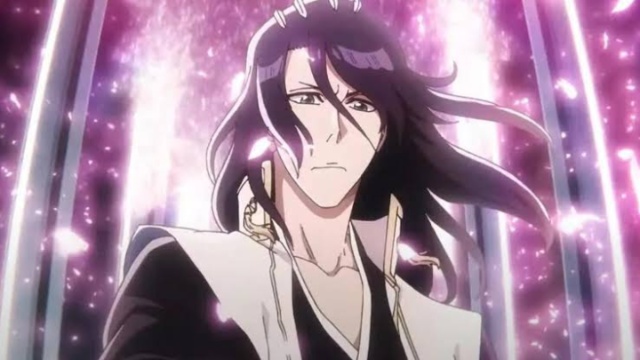
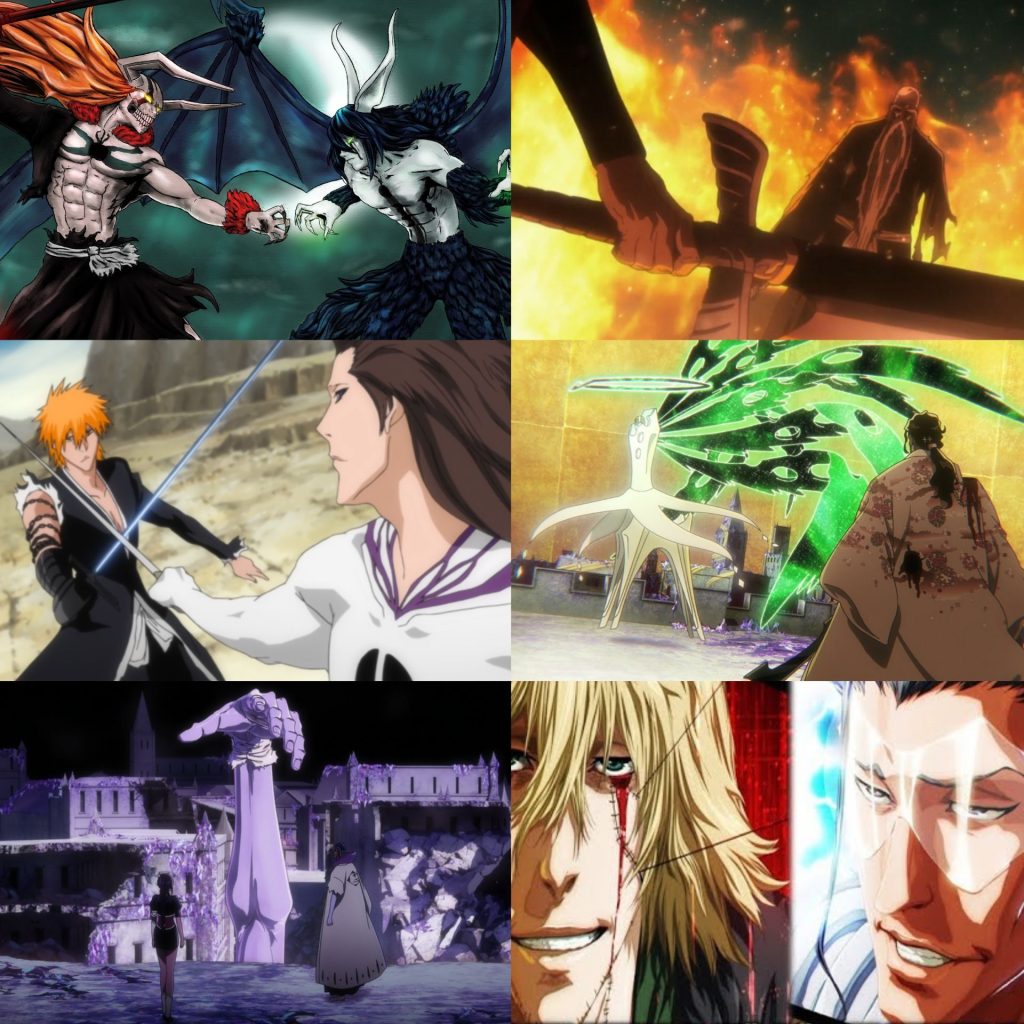
At its core, Bleach‘s legacy stems from Tite Kubo’s unparalleled artistic prowess and narrative boldness. Kubo’s illustrations were a revelation: clean lines, dramatic shading, and a fashion-forward sensibility that made every panel pop. Characters like Byakuya Kuchiki with his cherry blossom-themed Senbonzakura or Ulquiorra Cifer’s melancholic Arrancar form weren’t just fighters; they were style icons whose designs influenced cosplay culture and even real-world fashion trends. This visual innovation extended to fight choreography, where battles weren’t mere slugfests but ballets of energy waves, high-speed clashes, and environmental destruction. Techniques like Getsuga Tenshō—a crescent moon energy slash—became synonymous with cinematic flair, setting a standard for how shonen depicts superpowered combat.
Narratively, Bleach explored themes of identity, loss, and multiculturalism through Ichigo’s hybrid heritage as a Soul Reaper, Hollow, Quincy, and Fullbringer. This multifaceted protagonist challenged the archetype of the pure-hearted hero, introducing internal conflicts where power sources clashed within one’s soul. Such depth added psychological layers to battles, making victories feel earned through self-mastery rather than sheer willpower alone. The series also pioneered diverse ensemble casts, with antagonists like the Espada who had backstories rivaling the heroes’, humanizing villains and blurring moral lines—a trend that would echo in later works.
Power systems in Bleach were another game-changer. The Zanpakutō’s spirit manifestations, where weapons have personalities and evolve based on the user’s bond, inspired similar mechanics in other series, emphasizing personalization over generic upgrades. Hollowfication and Visored transformations introduced anti-heroic elements, allowing protagonists to tap into “dark” sides for power boosts, a concept that added risk and excitement to fights. These innovations helped shape the Big Three era by encouraging experimentation, ensuring shonen evolved beyond repetitive training montages into realms of creative ability design.
Echoes in Contemporaries: How Bleach Influenced Peers and Immediate Successors
During its run, Bleach didn’t exist in a vacuum; its influence rippled through contemporaries and early 2010s series. For example, Fairy Tail borrowed from Bleach‘s guild-like structure in the Gotei 13, adapting it to magical teams with specialized roles. Even within the Big Three, cross-pollination occurred—Naruto‘s later arcs with tailed beast modes mirrored Bleach‘s Hollow integrations, adding beastly transformations to heighten drama.
Post-Big Three, series like My Hero Academia show traces of Bleach‘s quirk in its hero society hierarchy, akin to Soul Society’s divisions, though with a superhero spin. However, Bleach‘s impact is most evident in how it normalized supernatural urban fantasy in shonen, blending modern settings with ancient lore. This fusion encouraged creators to mix genres, leading to hybrids like Blue Exorcist, where demonic heritage parallels Ichigo’s Hollow struggles.
Fan discussions often highlight how Bleach‘s pacing issues—rushed endings and filler arcs—served as cautionary tales, influencing tighter narratives in successors. Yet, its bold risks, like the Fullbring arc’s power reset, taught lessons in reinvention, helping series avoid stagnation.
The Modern Battle Shonen Renaissance: Bleach’s DNA in Today’s Hits
Fast-forward to the 2020s, and Bleach‘s fingerprints are all over modern battle shonen. Take Jujutsu Kaisen by Gege Akutami, who has cited Bleach as an inspiration. The series’ cursed energy system echoes Bleach‘s Reiatsu, with domain expansions resembling Bankai releases in their environmental dominance. Character designs, like Satoru Gojo’s blindfold and ethereal presence, evoke Bleach‘s enigmatic captains, while Yuji Itadori’s internal curse (Sukuna) mirrors Ichigo’s Hollow side—both protagonists grapple with symbiotic threats that grant power at a cost.
Similarly, Demon Slayer: Kimetsu no Yaiba draws from Bleach‘s sword-based combat and breathing techniques, which parallel Zanpakutō evolutions. Tanjiro Kamado’s family-driven quest and demon-slaying corps structure recall Ichigo’s protective instincts and the Soul Reapers’ organization. Visual parallels abound, from flashy sword auras to regeneration-heavy villains, underscoring Bleach‘s role in popularizing stylized, breath-taking fights.
Even Chainsaw Man by Tatsuki Fujimoto channels Bleach‘s blend of horror and action, with Devil hybrids akin to Hollow fusions, emphasizing grotesque transformations.
Other modern entries like Hell’s Paradise and Undead Unluck incorporate Bleach-style power synergies, where abilities combine in unexpected ways. This influence extends to animation trends; the fluid, high-contrast fights in Bleach: Thousand-Year Blood War revival have set benchmarks for studios like Ufotable and MAPPA, who prioritize spectacle in adaptations. Overall, Bleach has fostered a shonen ecosystem where hybrid identities and aesthetic battles are staples, proving its underrated sway on the genre’s evolution.
Why Bleach Remains Underrated: Challenges and Enduring Relevance
Despite its contributions, Bleach often faces criticism for perceived inconsistencies, like the TYBW arc’s initial rushed manga conclusion, leading to a dip in popularity compared to One Piece‘s ongoing saga or Naruto‘s expansive universe. Filler episodes in the anime and a polarizing final arc contributed to this undervaluation, with some fans labeling it the “weakest” of the Big Three. However, the 2022 anime revival has reignited interest, highlighting Kubo’s ahead-of-its-time storytelling.
This underrating overlooks how Bleach pioneered diversity in shonen, with a global cast and themes of cultural fusion. Its legacy endures through fan art, memes, and creator acknowledgments, reminding us that influence isn’t always loud—it’s in the subtle threads weaving through new stories.
Conclusion: A Lasting Stain on Shonen’s Canvas
Bleach‘s legacy is one of quiet revolution, shaping the Big Three era with its style and innovation while seeding modern battle shonen with ideas that continue to bloom. From Ichigo’s hybrid journey to Kubo’s artistic mastery, the series has left an indelible mark, proving that even underrated works can redefine genres. As new creators draw from its well, Bleach stands as a testament to shonen’s boundless potential, ensuring its spirit reaps souls in narratives for generations to come.
ALSO READ: Top 20 Anime Series That Started Strong But Crashed and Burned
Hello, I am a huge anime fan with a decent experience in writing articles regarding the anime industry.